Pest control is an essential aspect of maintaining a healthy and safe living environment, whether in residential homes, commercial buildings, or agricultural settings. With the increasing incidence of pest infestations, understanding and implementing effective pest management strategies has become crucial. Pests, ranging from insects like rats and cockroaches to larger animals like raccoons, not only cause damage to property but can also pose significant health risks to humans and pets. This article explores various pest control methods, highlighting the importance of integrated pest management (IPM) and sustainable practices that minimize harm to the environment while effectively keeping unwanted creatures at bay.
As we delve into the diverse world of pest control, we will examine the latest techniques, tools, and products available for managing pest populations responsibly. From natural repellents and traps to chemical solutions, each method has its own set of advantages and drawbacks. Additionally, we will discuss preventative measures that homeowners and businesses can adopt to reduce the likelihood of infestations. With the right knowledge and proactive approaches, individuals can create sustainable pest control strategies that not only protect their spaces but also contribute to overall public health and safety.
Understanding Integrated Pest Management (IPM)
Integrated Pest Management (IPM) is a holistic approach that combines various strategies to manage pest populations effectively while minimizing risks to human health and the environment. This method prioritizes understanding the pest’s life cycle, behavior, and ecology, allowing for targeted interventions that address the root causes of infestations rather than just the symptoms. By incorporating techniques such as cultural, mechanical, biological, and chemical controls, IPM fosters a balanced ecosystem and reduces reliance on harsh chemicals. Homeowners and businesses can greatly benefit from these sustainable practices, leading to long-term pest reduction and enhancing overall property well-being.
Preventative Strategies for Pest Control
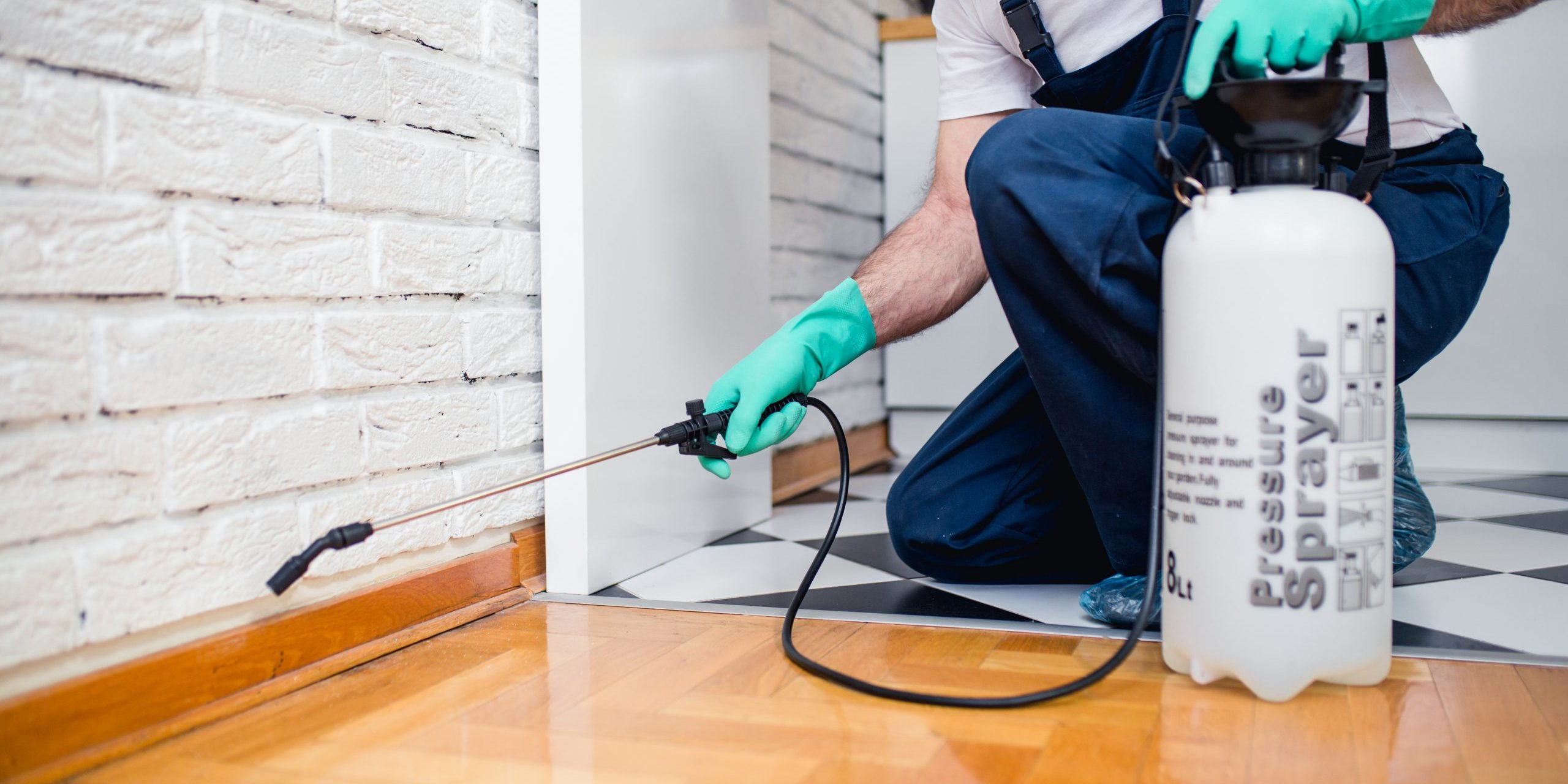
Preventative measures play a crucial role in avoiding pest infestations before they begin. Simple habits, such as sealing cracks and crevices, maintaining cleanliness, and properly storing food, can deter pests from entering a space. Regular inspections of both indoor and outdoor areas are essential to identify potential issues early on. Additionally, engaging in professional services like pest control Newcastle can offer tailored solutions based on local pest problems. By integrating these strategies, individuals can significantly reduce the chances of pest-related damage and health hazards, leading to a safer and more pleasant environment.
In conclusion, effective pest control is not merely about eradication but involves a comprehensive understanding of pest behavior and ecology to foster long-term solutions. By adopting Integrated Pest Management (IPM) strategies that blend preventative practices, careful monitoring, and targeted interventions, individuals and businesses can safeguard their spaces while minimizing environmental impact. As the world continues to evolve, so too must our approaches to pest management, embracing sustainable methods that promote health and harmony in our ecosystems. Ultimately, the goal of pest control is not just to eliminate unwanted guests but to create a safe and healthy environment where humans and nature can coexist peacefully.