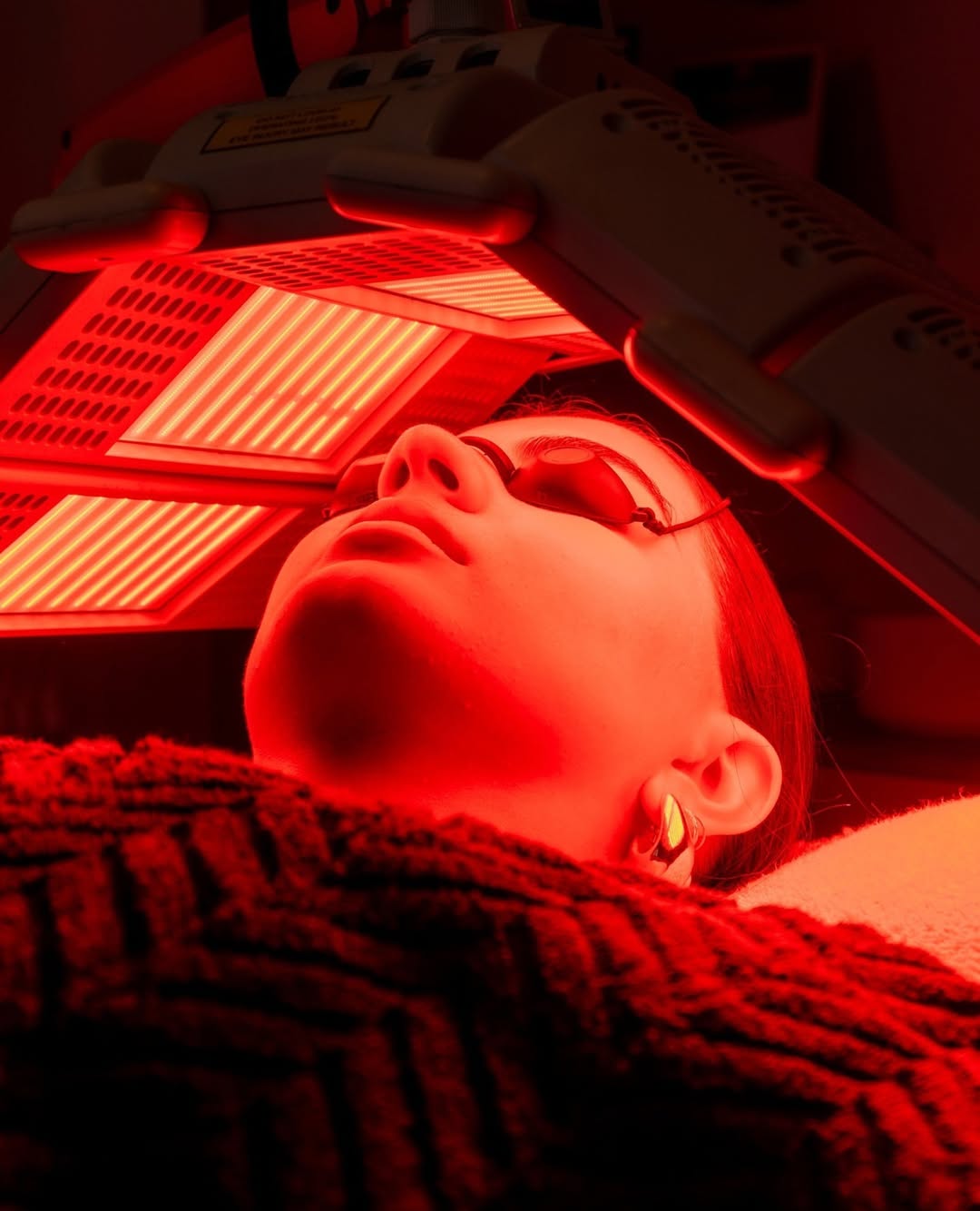
In recent years, red light therapy has emerged as a powerful and innovative treatment option, capturing the attention of wellness enthusiasts and medical professionals alike. Harnessing the power of specific wavelengths of red and near-infrared light, this non-invasive therapy is believed to stimulate cellular processes, promoting healing, reducing inflammation, and enhancing overall well-being. As more individuals seek holistic approaches to health, understanding the principles, benefits, and applications of red light therapy becomes essential in the quest for vitality and rejuvenation.
This article delves into the science behind red light therapy, exploring its various applications from skincare to muscle recovery, and examines the growing body of research that supports its efficacy. By shedding light on the mechanisms at play and sharing insights from personal experiences and clinical studies, we aim to provide a comprehensive overview of how red light therapy can be a valuable addition to your wellness routine, helping you achieve a balanced and healthier lifestyle.
Mechanisms of Action
Red light therapy operates by utilizing specific wavelengths of light, typically in the range of 600 to 900 nanometers, which penetrate the skin and are absorbed by the mitochondria, the powerhouse of cells. This absorption stimulates the production of adenosine triphosphate (ATP), enhancing cellular energy and facilitating various healing processes. Additionally, red light therapy has been shown to reduce oxidative stress and inflammation by modulating the body’s natural responses, making it an effective treatment for a variety of conditions, from acne and psoriasis to joint pain and muscle recovery. To explore how this innovative therapy can support your wellness journey, check out Red Light Therapy For Wellness.
Applications and Benefits
The versatility of red light therapy extends to numerous applications in both cosmetic and therapeutic contexts. In skincare, it helps stimulate collagen production, improve skin texture, and reduce signs of aging, while in physical therapy, it promotes faster recovery times by enhancing circulation and reducing muscle soreness. Furthermore, emerging research suggests potential benefits in treating mood disorders, such as seasonal affective disorder (SAD), by positively influencing serotonin levels. As the body of evidence supporting red light therapy continues to grow, it has become an attractive option for those seeking natural and non-invasive solutions to enhance overall health and well-being.
In conclusion, red light therapy stands out as a transformative tool in the realm of wellness, offering a spectrum of benefits that cater to both physical and mental health. With its ability to promote healing, reduce inflammation, and enhance skin vitality, it appeals to a diverse range of individuals seeking holistic solutions to improve their quality of life. As research continues to uncover the profound effects of specific light wavelengths on cellular function, the potential applications of red light therapy are likely to expand even further, positioning it as a cornerstone of modern wellness practices. Embracing this innovative therapy may not only lead to enhanced vitality and rejuvenation but also empower individuals on their journey towards achieving optimal health and well-being.